9 days ago
Pasadena, CA, USAMid Level
Base Salary
$122k - $150k/yr
Responsibilities
- Implement computer vision capabilities for image-based mapping and navigation.
- Develop solutions for map-relative localization, hazard detection and avoidance, and 3D structure recovery.
- Adapt standard computer vision solutions to mission-specific requirements.
- Design and implement novel solutions to previously unencountered problems.
- Deliver rigorous code and products with direct impact on Mars, Moon, terrestrial, and outer-planet missions.
- Work independently with periodic guidance.
Requirements
- Bachelor’s degree in Computer Science, Aerospace, Physics, or a related field plus at least 3 years of experience; or a master’s degree plus at least 1 year of experience; or a Ph.D.
- Thorough familiarity with computer vision principles, theories, concepts, and techniques, especially image processing, geometry, or photogrammetry.
- Experience with estimation techniques for robotic navigation.
- Very strong software skills in C++ and Python.
- Hands-on experience with inertial measurement units, cameras, and lidars used for surface-relative navigation.
- Desired qualifications include machine learning experience applied to computer vision, control theory and space mission design knowledge, multidisciplinary teamwork, relevant publications, and strong presentation skills.
Benefits
- Health, dental, vision, wellbeing, and retirement plans.
- Paid time off, learning opportunities, rideshare, childcare, flexible scheduling, and parental leave.
- Benefits-eligible employees receive benefits effective the first day of the month coincident with or immediately following their start date.
- On-site role based in Pasadena, California.
About NASA JPL
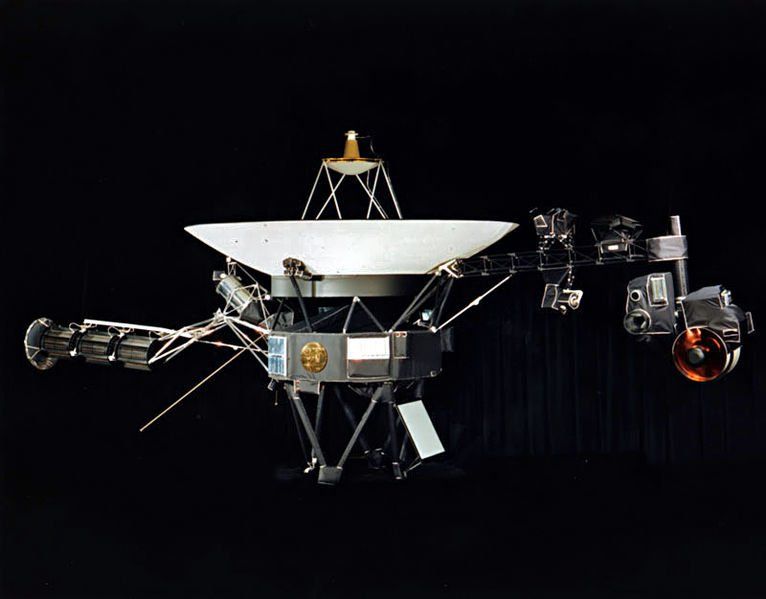
NASA’s Jet Propulsion Laboratory is a federally funded research and development center in Pasadena, CA, managed by Caltech. It designs, builds, and operates robotic spacecraft and science instruments for NASA, and develops ground systems like the Deep Space Network; notable missions include the Mars rovers and the Voyager probes. Founded in 1936, JPL is publicly funded and focuses on planetary, Earth, and astrophysics research and flight operations.